For adults pursuing fat loss, strength training belongs alongside sustainable nutrition habits and regular activity—not after the weight comes off. The aim is to reduce body fat while supporting muscle and useful strength.
If you are searching for a personal trainer in Boca Raton because you want to lose weight and feel athletic again, you may be wondering whether to lift weights or simply do more cardio. A useful plan does not force that choice. It gives each part a purpose—and fits your starting point, schedule and movement needs.
Why lifting matters during weight loss
A 2025 systematic review compared dietary weight loss with and without resistance exercise in adults with overweight or obesity. Adding resistance training did not significantly increase total weight loss, but it helped preserve fat-free mass and increased fat loss. Evidence certainty was moderate for fat-free-mass preservation and high for fat loss. Strength also improved, although that evidence was less certain.1
The important distinction: fat-free mass includes more than muscle. The review focused on adults ages 18–65 with overweight or obesity; its findings are not a direct prescription for every senior or athlete. They support strength training during weight loss, but do not guarantee muscle gain while dieting. Programs and participants differed, so the review cannot predict your result.
A broader 2022 review also supports resistance-based exercise as part of body-composition programs. Resistance training alone increased lean mass on average, while programs combining resistance training and calorie restriction generally maintained it.2 Together, these findings argue for protecting strength while pursuing a leaner physique—not judging success by scale weight alone.
Evidence context: these are established research findings, not a new discovery announced this week. The session examples below are coaching applications, not protocols tested in those reviews.
Cardio and strength training have different jobs
Walking, cycling and other aerobic activity can complement lifting. For general health, the CDC recommends at least 150 minutes of moderate-intensity activity per week, or an equivalent vigorous-intensity mix, plus muscle-strengthening activity on at least two days.3 Those are health guidelines, not a guarantee of fat loss or a requirement to start at full volume on day one.
At A2A, the coaching priority is a repeatable routine: strength work with clear progression, activity that you can recover from, and practical habits outside the gym. Chasing exhaustion at every session makes it harder to judge whether the plan is actually progressing.
What a realistic training week can look like
For a client who can train twice a week, a starting structure might look like this. Exercise selection, load and total work still depend on the individual assessment.
A squat variation, row, appropriate press and trunk-control exercise. Practice movement quality before adding difficulty.
Manageable walking or other enjoyable activity, regular meals and a realistic recovery routine.
A hinge variation, supported single-leg work, pulling or pressing, and individualized mobility.
A focused 30-minute session can prioritize a warm-up and a few well-chosen strength movements. A 60-minute session allows more time for technique, additional strength work, mobility and suitable conditioning. The longer appointment is not automatically better; the useful choice is the one that matches your needs and that you can attend consistently.
Circuits and boxing fitness can add variety when appropriate. They should complement the strength plan, not turn every exercise into a race. Partner sessions can use the same movement categories while each person follows a different load, pace or variation.
Nutrition support should fit your real life
Coaching conversations can focus on repeatable habits: planning meals around your schedule, including protein-containing foods, noticing portions and building consistency during travel or busy weeks. Aggressive rules are not the only way to make a plan feel structured.
The A2A Client App keeps assigned workouts, nutrition and habit targets, and progress information together between appointments. This is fitness accountability—not a substitute for individualized medical nutrition care. Clients who need therapeutic diets or condition-specific advice should work with an appropriate licensed professional.
Track the changes the scale cannot explain
A useful review can include body-weight trends, consistently taken measurements, progress photos if you want them, exercise performance and how your clothes fit. Body-fat estimates are best treated as estimates, measured consistently rather than as exact verdicts.
In your coaching review, useful questions include: Are you attending? Are movements more controlled? Is your strength holding steady or improving? Are the habits manageable? That gives us something actionable to adjust instead of reacting to one weigh-in.
A real A2A example: Marissa
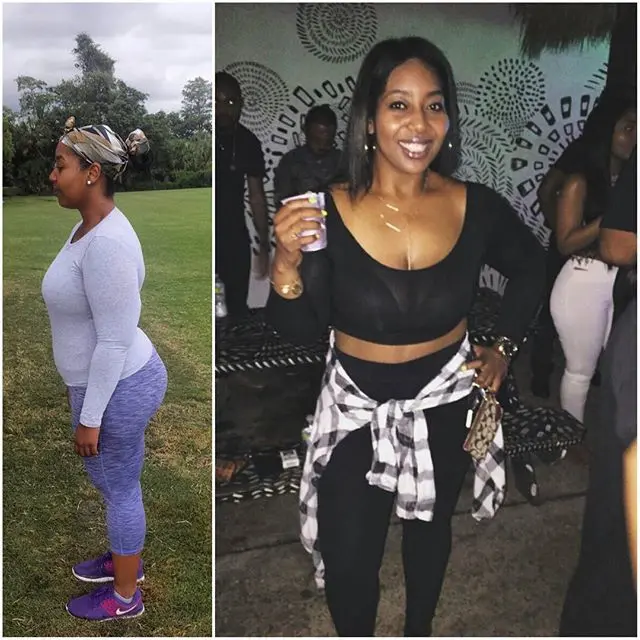
Marissa wanted to lose weight and improve her body composition. Her coaching combined circuit-style training, mobility, boxing and practical nutrition changes. She reduced body fat, developed lean muscle and was happy with her transformation. We have not attached an invented number of pounds or a timeline to her story. Her experience illustrates an individualized approach—not a guaranteed result.
See Marissa and more A2A client stories →
Private fat-loss coaching in Boca Raton
A2A Fitness offers personalized one-on-one training and partner coaching at a private Boca Raton studio. Clients from nearby communities, including Delray Beach, Deerfield Beach, Highland Beach, Parkland and Coral Springs, can ask about studio availability. Premium in-home coaching is limited and depends on location and schedule.
You do not need to be over 45 to work with A2A. We coach active adults and younger clients as well as adults seeking our Strength & Mobility After 45 specialty. Your assessment helps determine an appropriate starting point, whether you are returning to training or looking for a more structured plan.
Build a leaner, stronger version of you.
Tell Coach Rodney your goals, training history and schedule. He will personally review your request and discuss availability, pricing and the next step before an appointment is confirmed.
Request Your Assessment →Call RodneyPrefer a message? Text (561) 328-5025.
Common questions
Should I lose weight before I start strength training?
You do not generally need to reach a target weight first. Training can be scaled to your current ability, with appropriate healthcare guidance when needed. The research above supports including resistance exercise during dietary weight loss.
Is two days of strength training enough to get started?
Two well-planned full-body sessions can be a realistic starting structure for many adults. Your goals, experience, recovery and activity outside sessions determine whether that is the right fit.
Can I lose fat and build muscle at the same time?
It can happen, but it is not guaranteed. During weight loss, preserving muscle and improving strength are worthwhile goals. Starting experience, training, nutrition and recovery all influence the outcome.
Where does A2A Fitness offer personal training?
Most clients train at a private studio in Boca Raton. People in nearby communities can inquire about studio appointments; premium in-home coaching is offered on a limited, location-dependent basis.
Sources & further reading
- Binmahfoz et al. (2025). Resistance exercise during dietary weight loss: systematic review and meta-analysis. BMJ Open Sport & Exercise Medicine. DOI: 10.1136/bmjsem-2024-002363.
- Lopez et al. (2022). Resistance training effectiveness on body composition and body weight across the lifespan: systematic review and meta-analysis. Obesity Reviews.
- CDC. Adult Activity: An Overview. General activity recommendations; not a fat-loss prescription.
Related: Walking workouts after 45 · How much strength training do you need?
General fitness education, not medical advice, diagnosis, treatment or a prescribed diet. Individual results vary. Get appropriate healthcare guidance for medical conditions, significant movement limitations or symptoms before beginning or intensifying training.